Positive Emotion Ambassadors (PEAs)
A scalable, science-driven mechanism for cultural change
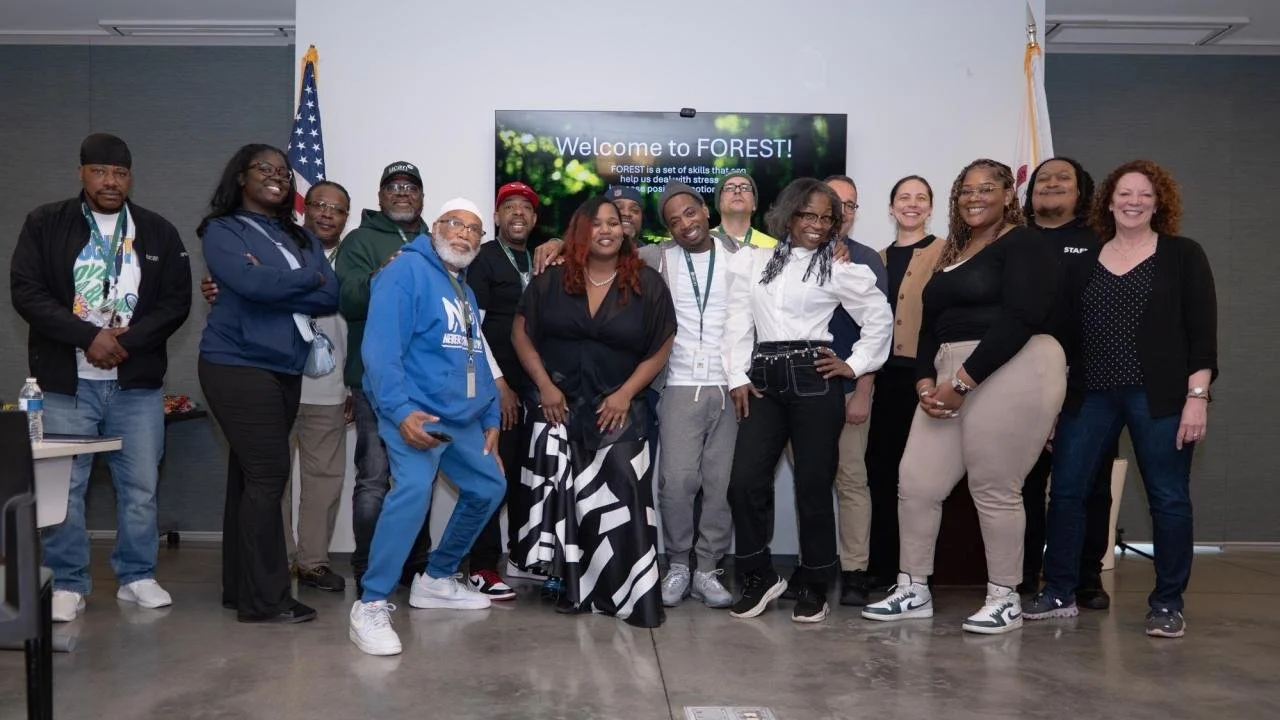
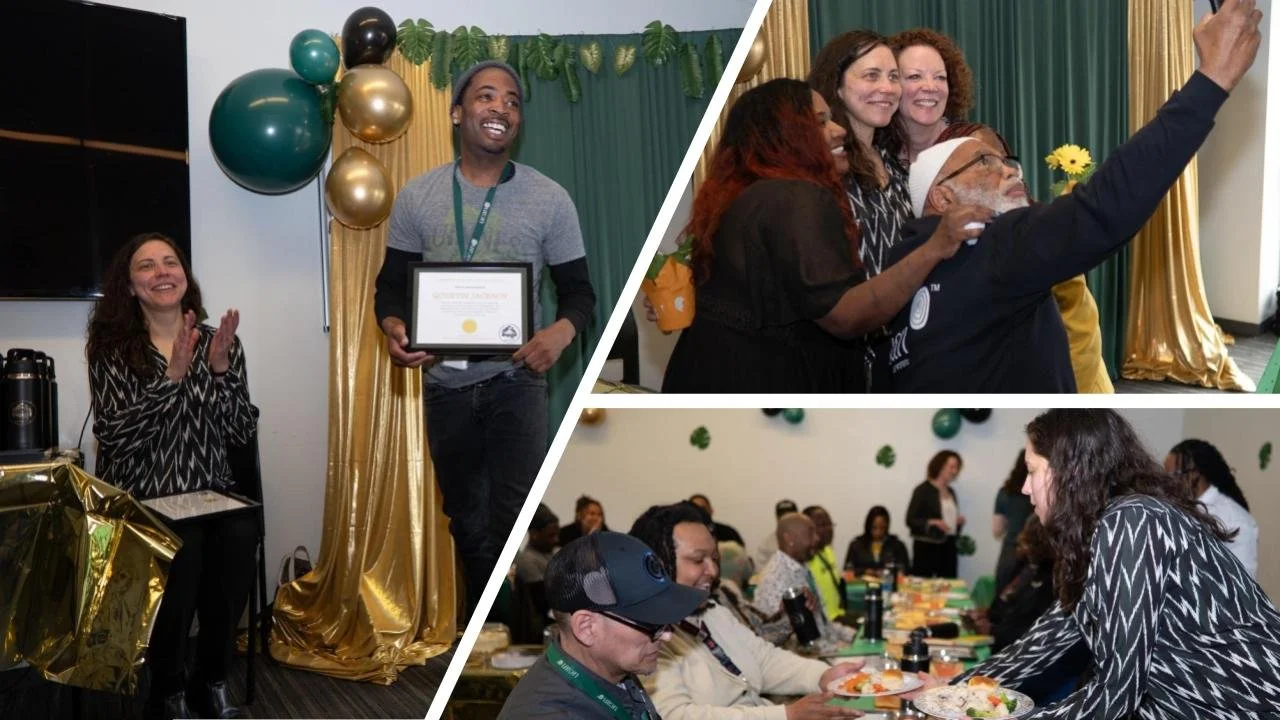
Positive Emotion Ambassadors (PEAs) are the backbone of our FOREST program at UCAN. Our
goal is to strengthen the well-being and resilience of frontline community violence intervention
workers. PEAs translate cutting-edge behavioral science into daily practice — making culture change
practical, repeatable, and sustainable.
What PEAs Do
PEAs are trained staff who integrate the FOREST emotional well-being skills into everyday team
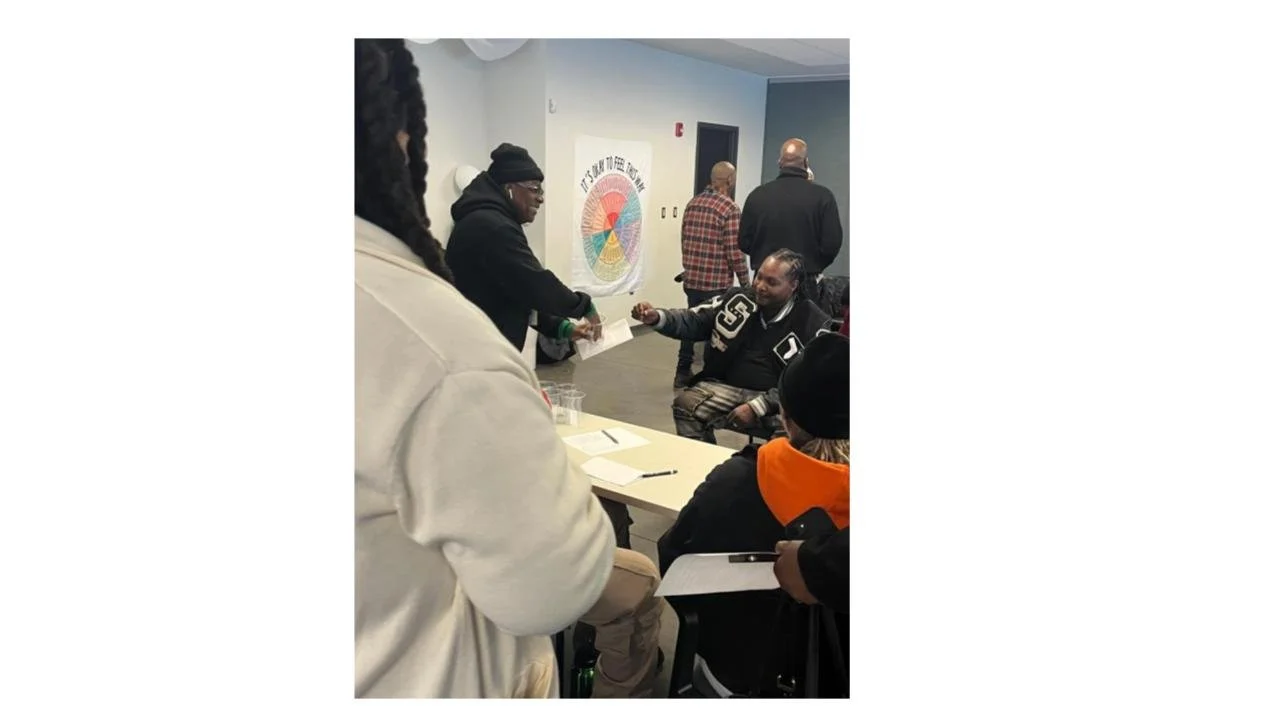
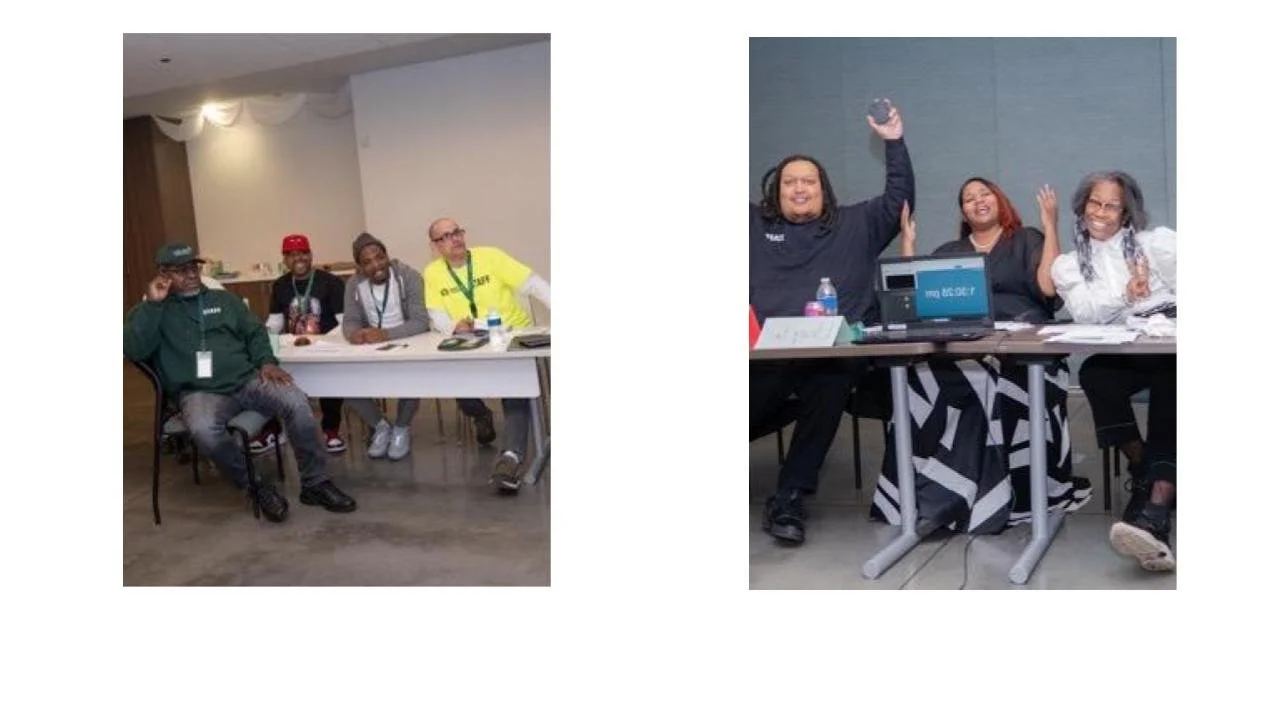
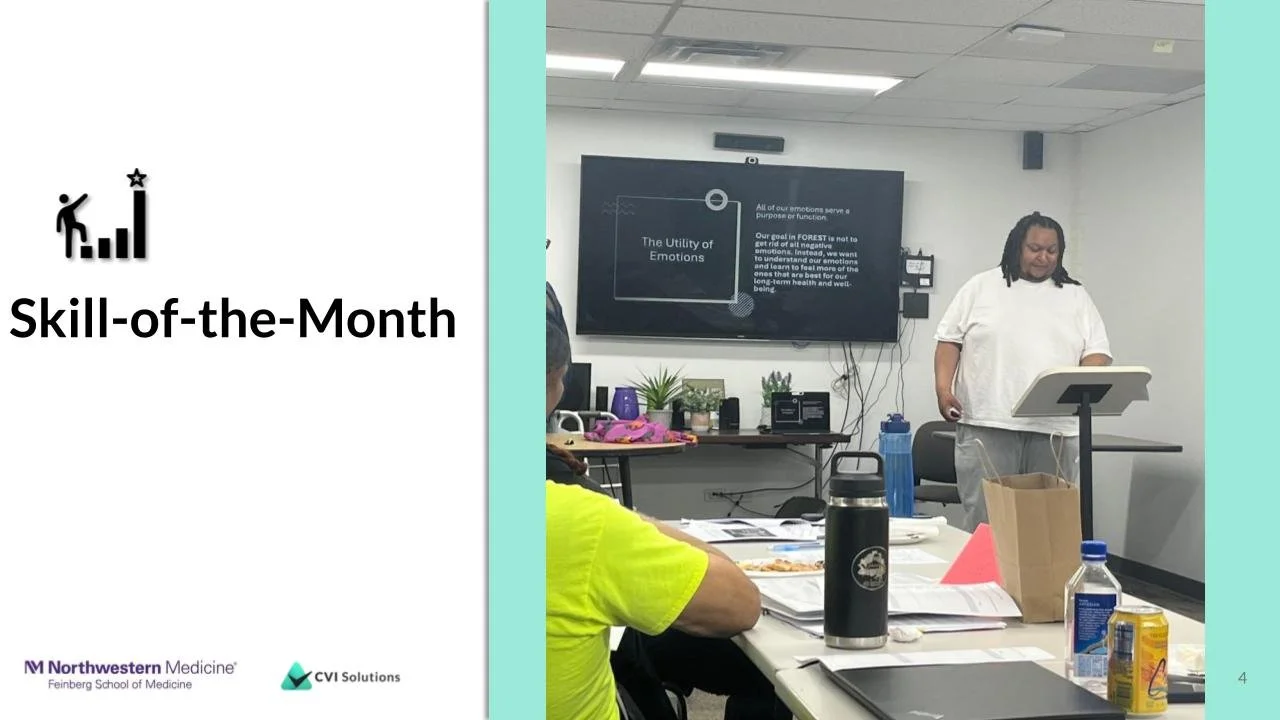
routines. They co-lead monthly skill sessions, guide brief practices during regular meetings, and help
co-workers apply skills such as savoring, self-compassion, and strengths in real time. Their peer-led
presence ensures that resilience is not an “add-on” but part of the organization’s operating system.
Why This Matters
Frontline CVI staff experience relentless exposure to trauma, high burnout, and frequent turnover.
Programs fail when staff are overworked, unsupported, or asked to “selfcare” without structural
change. PEAs close this gap by providing:
Continuity: skills reinforced consistently across sites and roles
Credibility: support delivered by trusted peers, not outsiders
Cultural integration: practices embedded in workflows, not extra tasks
Why It Works
The PEA model emerged from years of collaborative adaptation, piloting, and implementation
science. It aligns with evidence showing that:
Peer-delivered interventions improve adoption and retention
Team-level emotion regulation practices reduce burnout and moral injury
Embedding skills within existing structures produces long-term cultural change
PEAs make the FOREST program scalable and durable. They ensure that evidence-based
resilience strategies reach the staff who need them most, while preparing the organization — not
researchers — to sustain the work independently. This is a proven mechanism for translating
science into workplace transformation at scale.